Why Solar Energy Is the Future for Commercial Properties
By Orvion Team
Oct 17, 2025
Electricity Cost Challenges in the Business Sector
For many businesses in Indonesia, electricity is not just an operational necessity, but a significant cost component. From small homes in rural villages to bustling office towers, shopping centers, manufacturing plants, and even the hospitality sector such as hotels and resorts, all rely heavily on a stable and affordable electricity supply.
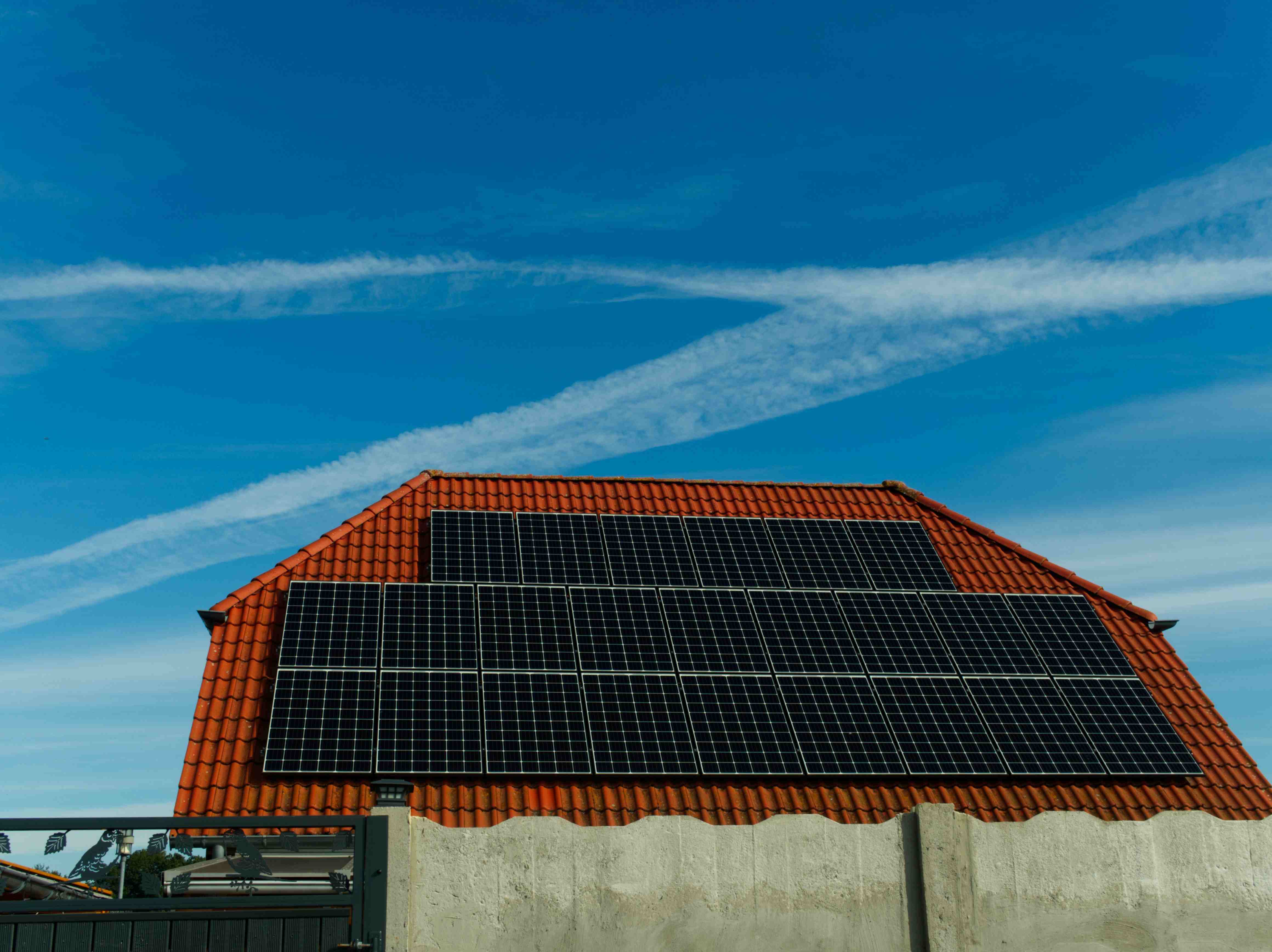
However, with rising electricity rates and increasing fossil-based energy supplies, companies are beginning to face the dilemma of how to reduce operational costs without sacrificing productivity. This is where solar energy, or solar energy for business, is starting to play a strategic role.
Global Shift Towards Renewable Energy (ESG Trend)
Global trends indicate that renewable energy is no longer merely an alternative, but a key driver of modern business transformation. Commitment to Environmental, Social, and Governance (ESG) is now a benchmark for a company's reputation and sustainability in the eyes of investors, regulators, and consumers.
According to a report by the International Energy Agency (IEA), global investment in the renewable energy sector has surpassed investment in fossil fuels since 2023. Global companies such as Apple, Google, and Unilever have even committed to using 100% renewable energy in their operations. What’s more, this transition is no longer limited to large multinational corporations. From tech startups in Singapore, to local manufacturing SMEs in Indonesia, more and more smaller companies are shifting toward renewable energy to reduce operational costs.
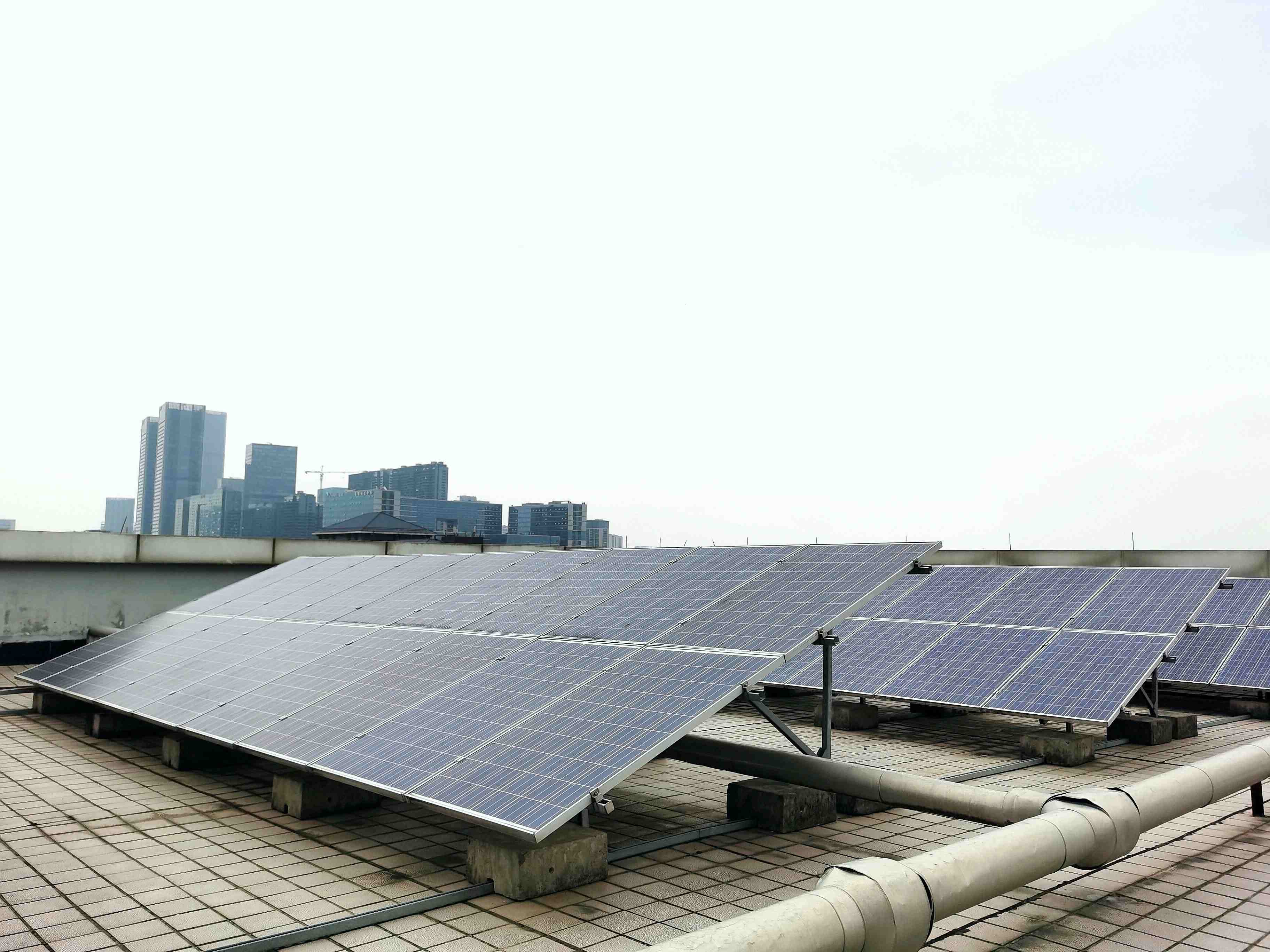
In Indonesia, the push towards solar power plants (PLTS) is also growing stronger. The government is targeting a 23% renewable energy mix by 2025. With an average solar potential of 4.8 kWh/m² per day, Indonesia has a significant opportunity to become a hub for solar energy technology adoption in Southeast Asia.
Is Investing in Solar Panels Truly Profitable?
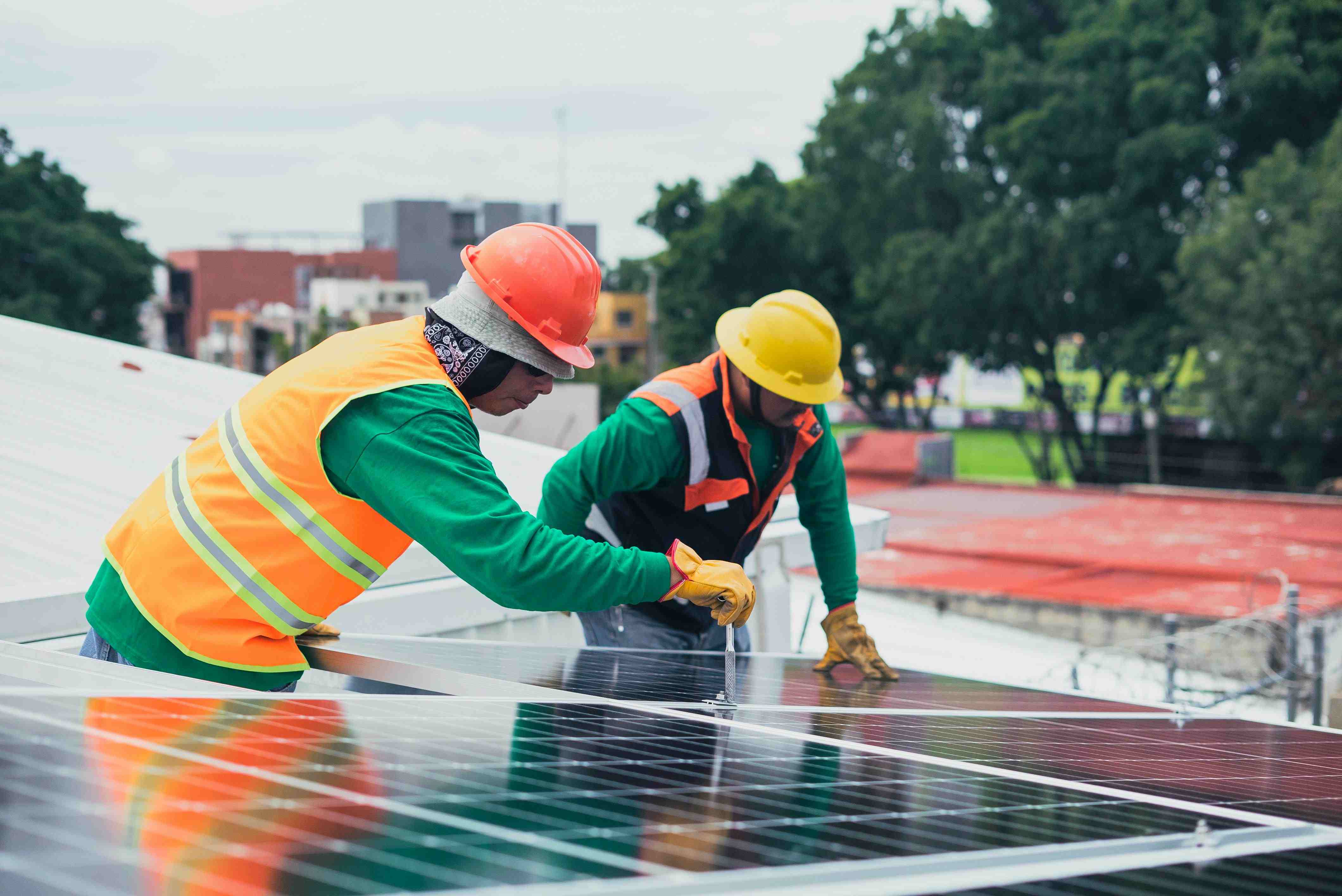
Yes, and it's been proven to become increasingly profitable. For example, at a factory in West Java with a 500 kVA electricity requirement, installing a 250 kWp rooftop solar system can generate savings of up to IDR 1.5 billion per year in PLN electricity bills. With a solar panel lifespan of up to 25 years, the company can achieve a return on investment (ROI) in just 4–6 years.
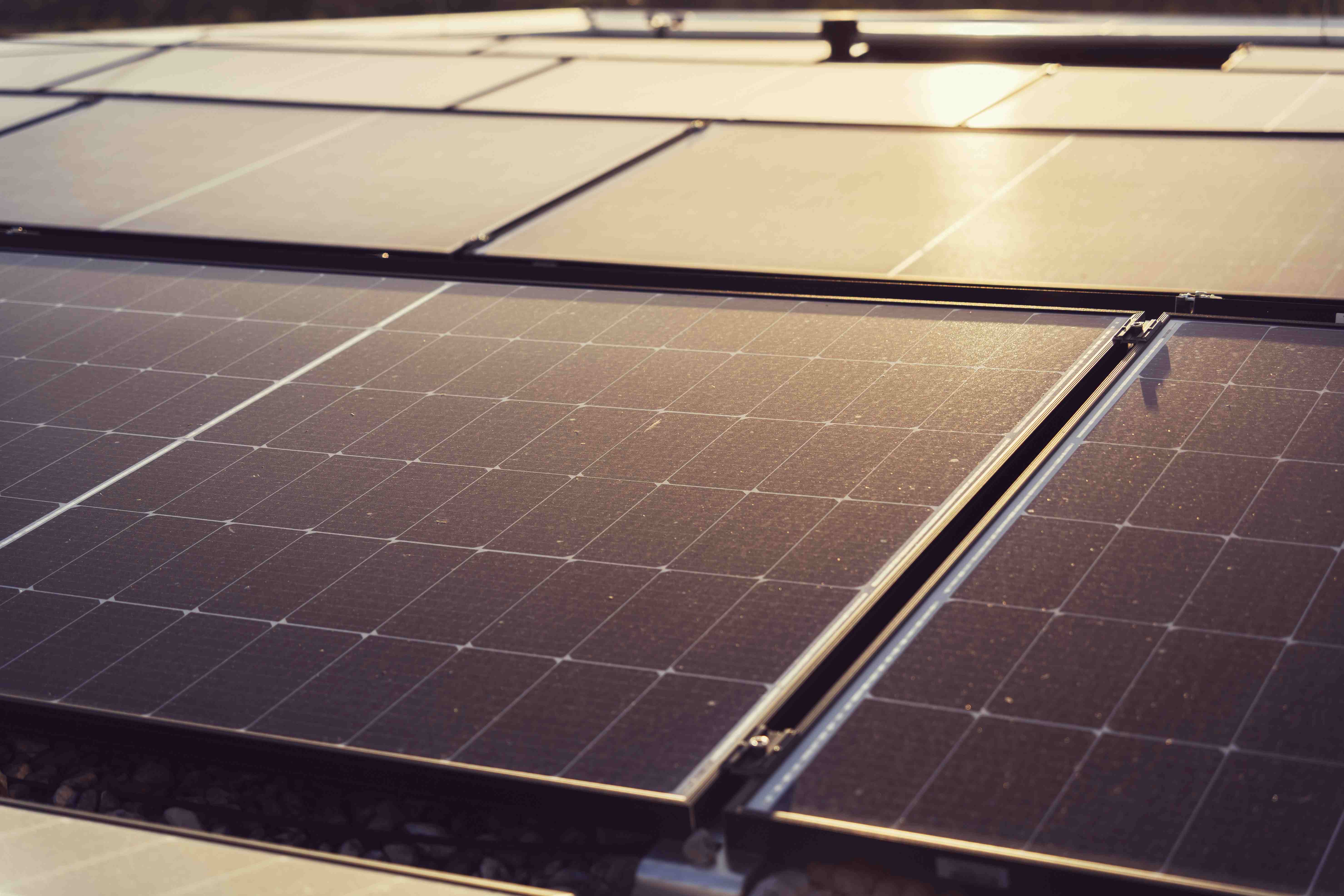
Furthermore, when the solar panel system is integrated with an Energy Management System (EMS) and smart monitoring devices, energy efficiency can increase by up to 15–20% compared to conventional systems. This investment not only reduces costs, but also reduces reliance on non-renewable energy sources and the carbon emissions of business operations.
How Orvion Solar Power System Integration Can Help Efficiency and Green Branding
As a major player in the commercial renewable energy sector, Orvion offers integrated solar power solutions specifically designed for the needs of businesses in Indonesia. The Orvion Solar Power System not only provides solar panel installation, but also offers:
- End-to-end integration, from site assessment and system design to installation, monitoring, and maintenance.
- High efficiency and scalability allow the system to grow as your business's energy needs grow.
- Positive environmental impact, reducing carbon emissions and supporting corporate sustainability targets.
- Future ready innovation combines performance-based engineering with the latest renewable energy technologies for optimal and sustainable results.
The use of Orvion Solar Power also strengthens the company's image as an environmentally friendly brand. Various marketing studies show that consumers now prefer companies committed to their aspirations. As evidenced by a 2022 YouGov survey in Indonesia – 74% of respondents stated they preferred sustainable brands, and 77% were willing to pay more for environmentally friendly products. Therefore, investing in solar energy is not just a financial decision, but also a long-term branding strategy.
Sustainability and the Appeal of Modern Consumers
As mentioned, modern consumers are increasingly aware of environmental issues. A global survey by Nielsen shows that 66% of consumers are willing to pay more for products or services from companies committed to sustainability.
For businesses in the hospitality sector, this has a tangible impact. Hotels that use renewable energy often score higher in online ratings and are able to attract a younger, environmentally conscious segment of travelers. Similarly, in the commercial sector, building tenants now consider sustainability a key factor in property selection. In Indonesia, green office-certified office buildings recorded an occupancy rate of 73.4% in the second half of last year, a significant increase compared to conventional buildings. Therefore, commercial renewable energy is not just a trend, but a real competitive differentiator.
Energy transformation is no longer a question of “when,” but “how quickly” your business can adapt. With increasingly competitive markets and growing consumer awareness, companies that boldly invest in solar power plants in Indonesia now will enjoy the dual benefits of cost efficiency and a strong sustainable image. In an era where brand reputation, energy efficiency, and social responsibility are inextricably linked, solar energy is not just a wise choice but a future-proof business strategy.